
Balance Disc vs Peanut vs Board: Which Does Your Dog Need?
The short answer: a balance doughnut with base is the best first piece for most rehab dogs, a bone-shaped platform is the best everyday piece for seniors and beginners, a peanut suits medium and large dogs doing full-body strength work, a wedge targets individual limbs, and a rocker board is the progression piece for dogs that have mastered the basics.
How do the pieces compare?
| Equipment | Best for | Level | Dog size | Typical use |
|---|---|---|---|---|
| Balance Doughnut with Base | Focused core and balance work, early rehab | Beginner to intermediate | All sizes | Structured wobble sessions, post-surgery rebuilding |
| Bone Balance Disc | Everyday maintenance, seniors, puppies | All levels | All sizes | Daily low platform work, warm-ups, paw targeting |
| Balance Peanut | Full-body strength and stretching | All levels, handler-guided | Medium to large | Guided strengthening, range-of-motion work |
| Balance Wedge | Targeted limb loading | Beginner to advanced | All sizes | Front-paws-up holds, hip and stifle programs |
| Balance Board | Dynamic coordination | Intermediate to advanced | All sizes | Weight-shift training after basics are mastered |
| Balance Disc | Free-standing stability work | All levels | Two diameters, all sizes | The step between anchored doughnut and dynamic board |
| Rehab Balance Pad | Cushioned, stable standing work | All levels | Three sizes | The no-wobble first step, and joint comfort for seniors |
| Paw Pods | Paw targeting and proprioception | All levels | All sizes | One-paw-at-a-time body awareness |
The newest additions slot into the same ladder. The rehab pad now sits at the very start (stable and cushioned, before any wobble), paw pods run alongside everything as paw-by-paw awareness work, and the agility hurdle set takes conditioning onto the move once balance is solid.
Which piece should I buy first?
Recovering from surgery: the disc with base, once your vet clears balance work. Its stabilising ring gives controlled instability, which is exactly what early rehab asks for. Pair it with the wedge if your program targets specific limbs, which most knee and hip programs do.
Senior dog staying mobile: the bone balance disc. It is low, stable, engaging, and easy to make part of a daily routine. Our free senior exercise guide is built around exactly this kind of platform work.
Big dog, full-body conditioning: the peanut. Its single-axis roll gives you control that round balls never allow, and its length supports large-breed bodies.
Sport or working dog: start with the bone disc for warm-ups and add the rocker board for dynamic coordination once static balance is boring.
Can the pieces be used together?
They are designed to be. The natural progression runs stable to unstable, static to dynamic: platform standing first, then controlled wobble on the disc, then targeted loading on the wedge, then dynamic weight shifting on the rocker board, with the peanut supporting strength and stretching work throughout. That progression is also how professional rehab rooms are stocked, which is why clinics typically carry several of these pieces rather than one.
What about dog size?
Discs, platforms, wedges, and boards suit all sizes: smaller dogs stand fully on them, larger dogs work two paws at a time, which is how most protocols are written anyway. The peanut is the size-sensitive piece; it should sit at roughly mid-chest height at working inflation, so tell us your dog's breed and weight when requesting a quote and we will size it correctly.
How do I introduce balance equipment to a nervous dog?
Slowly and with snacks. Let the equipment live in the room for a day, reward any voluntary interest, then reward single paws, then pairs, then quiet standing. Keep early sessions under two minutes, always on a non-slip floor, and end while your dog still wants more. A dog that chose the equipment works harder than a dog that was placed on it.
Owners also ask
What is the difference between a rocker board and a wobble board?
A rocker board tips along one axis only, which is predictable and easier to learn. A wobble board pivots 360 degrees on a central point, which is a bigger challenge. The PAWS Balance Board is a rocker, deliberately: it is the safer middle step for most dogs.
Can I just use a human exercise ball or couch cushions?
Cushions teach nothing controllable and human balance gear is not built for claws or canine loading patterns. Canine equipment uses nail-resistant materials, textured surfaces, and shapes that move predictably, which is what makes exercises repeatable and safe.
Do I need all five pieces?
No. Most homes do well with two: a first piece matched to your dog's current stage and the natural next step. Clinics stock the full range because they see every stage. Our finder suggests the right starting pair in under a minute.
Is inflatable equipment safe for a dog's nails?
Quality canine equipment, including the PAWS inflatables, uses heavy-duty PVC designed to resist dog nails. Trim nails before sessions anyway; it improves grip as much as it protects gear.
A training tool for dogs, not a toy. Always supervise your dog during use, check and trim nails before sessions, and consult your veterinarian before beginning any new rehabilitation or exercise program.
The equipment behind this guide

Balance Doughnut with Base
Stable-based wobble training for confident first steps.
View product →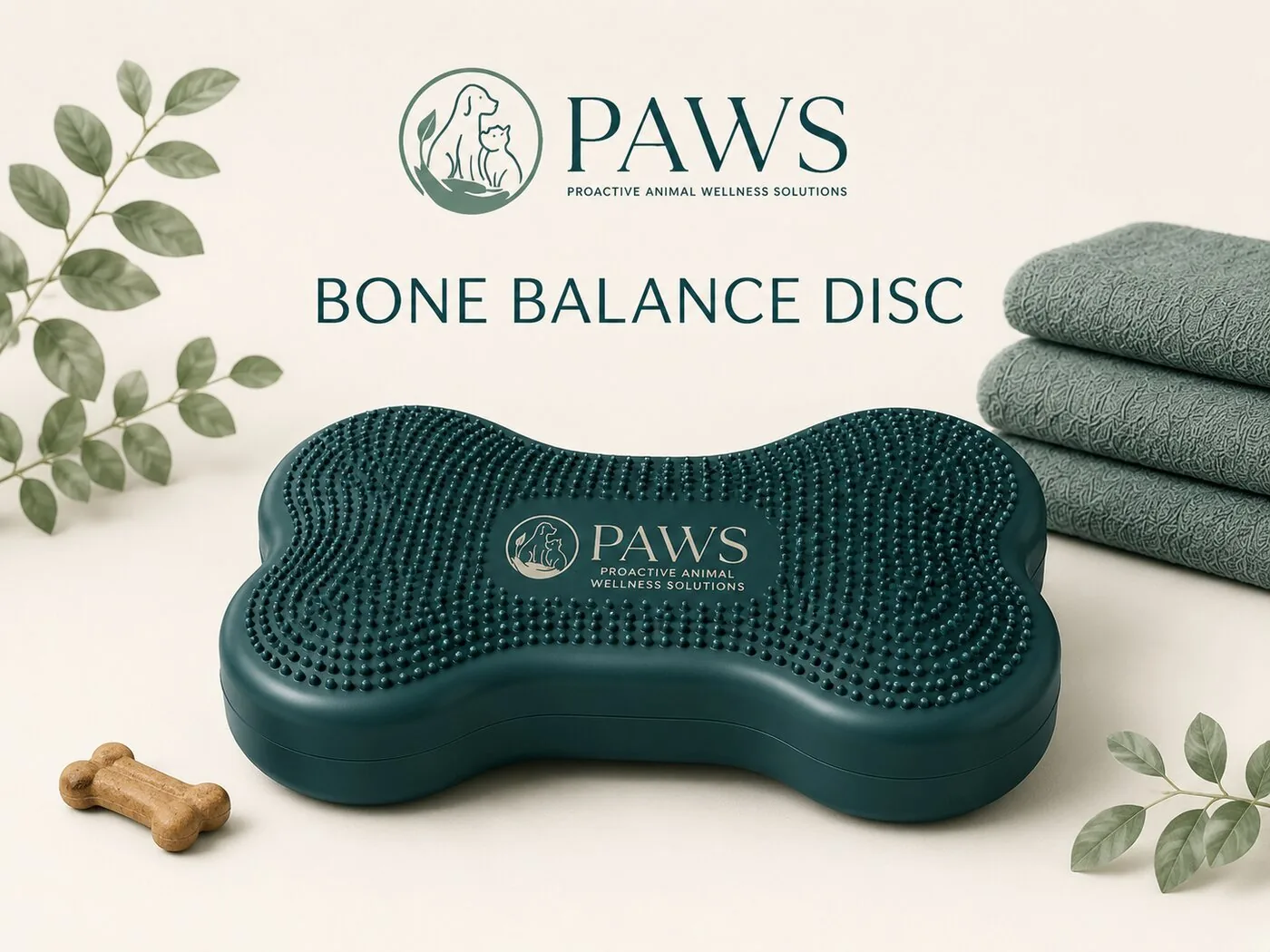
Bone Balance Disc
Playful bone-shaped disc for everyday balance.
View product →
Balance Peanut
Versatile peanut roll for full-body conditioning.
View product →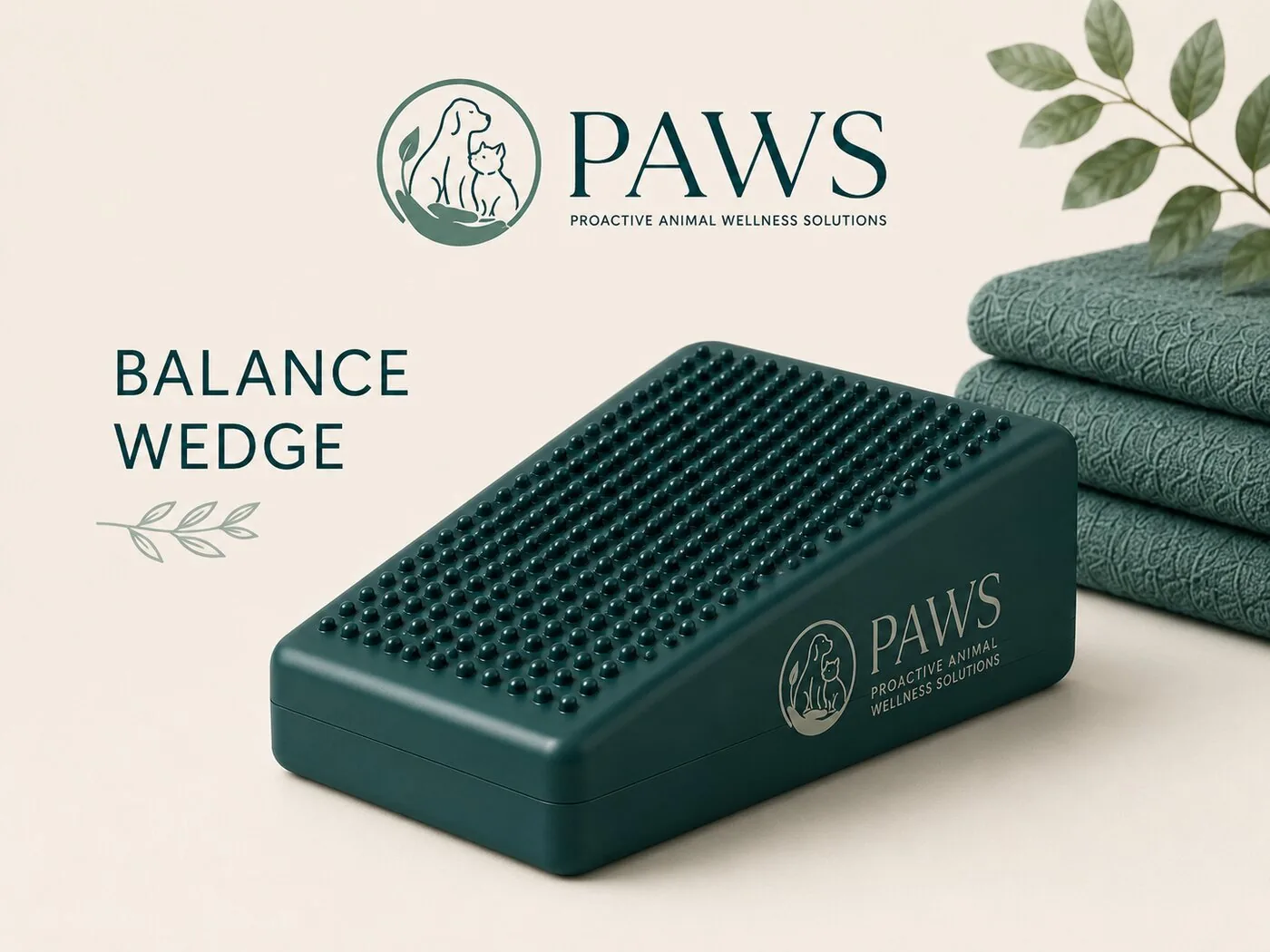
Balance Wedge
Incline training for targeted limb loading.
View product →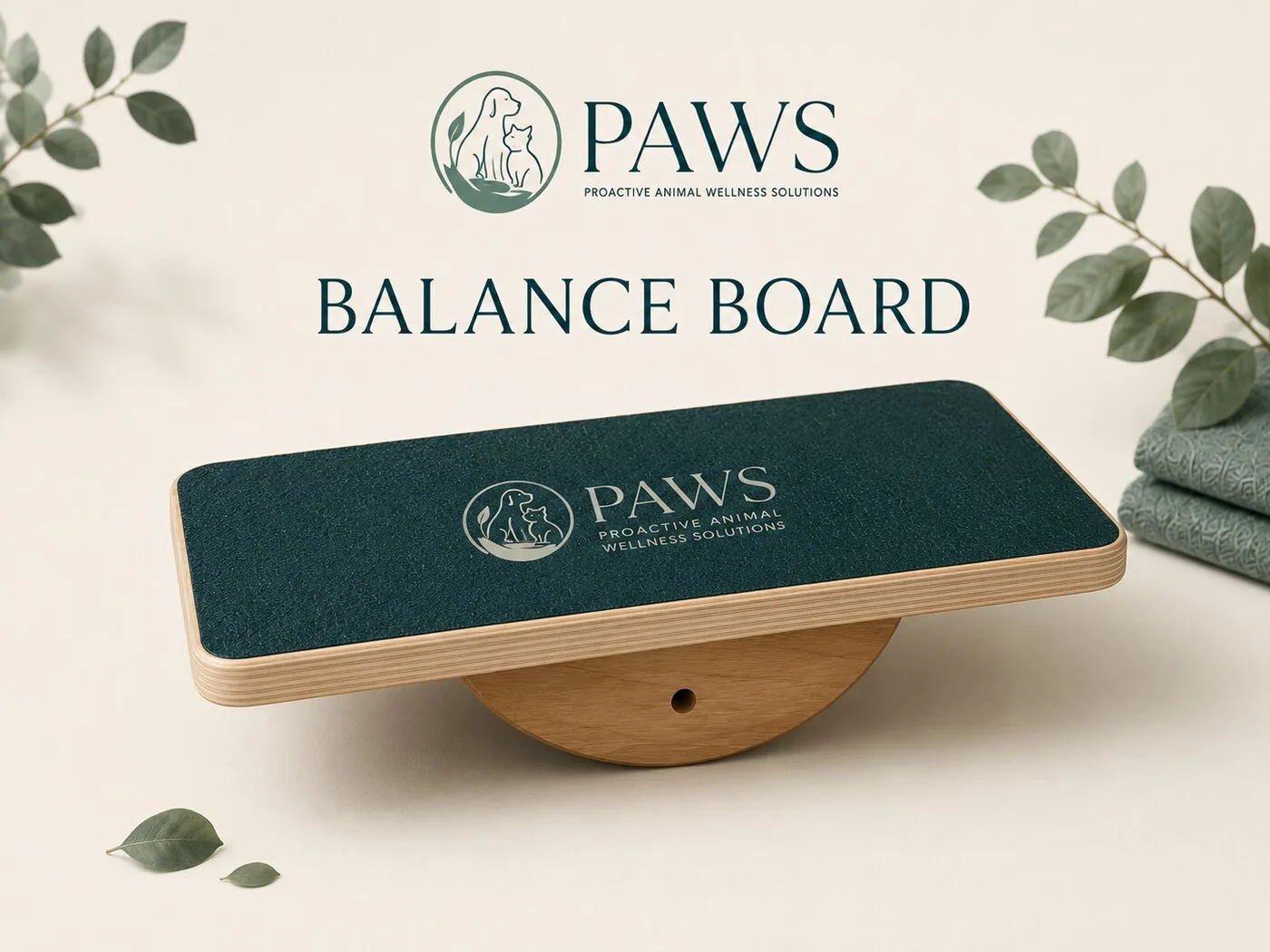
Balance Board
Dynamic rocker board for coordination and confidence.
View product →Dog Post-Surgery Recovery Checklist
Free printable checklist: how to prepare your home, week-by-week recovery reminders, and the warning signs that mean call your vet.