
Home Modifications for Dogs With Hip Dysplasia: A Practical Room-by-Room Guide
The highest-value home changes for a dog with hip dysplasia are traction on slick floors, a ramp for the car and furniture, supportive bedding in a warm spot, and regular nail and paw-fur care. Map the routes your dog walks every day and fix those first. Most of it costs less than one vet visit, and it protects the muscle your exercise work builds.
Why does the house matter as much as the exercises?
A dog with hip dysplasia loads those hips thousands of times a day: getting up from bed, crossing the kitchen, turning at the door, climbing into the car. Every one of those moments either supports the joint or stresses it. Strengthening work, like the program in our hip dysplasia strengthening guide, builds the muscle that stabilises a loose hip. A well set up home makes sure that muscle is not wasted fighting slippery floors and awkward jumps. The good news is that most of the highest-value changes cost less than a single vet visit, and none of them require renovation.
How do I fix slippery floors?
Traction comes first, always. Hardwood, tile, and laminate force a dysplastic dog to stabilise with muscle instead of paw grip, and one splay-legged slip can undo weeks of careful progress. Before buying anything, watch where your dog actually walks in a normal day. Most dogs use the same few routes: crate to back door, sofa to food bowl, bed to water. Cover those routes, not the whole house.
- Non-slip runners with rubber backing along hallways and the main routes.
- Yoga mats or interlocking foam tiles in the pivot zones: in front of the food bowl, beside the bed, and at the door where your dog turns and pushes off to greet you.
- Carpet treads on any stairs your dog must use, plus a gate on the ones they should not.
Check the backing on every rug. A cheap runner that slides underfoot is worse than bare floor, so add gripper pads where needed.
Ramps or stairs: which is better for bad hips?
For furniture and vehicles, a ramp usually beats pet steps. Steps still ask for a small hop and push from the hind end at every level, while a gentle ramp lets your dog walk up with steady, even loading. Look for a grippy surface and the shallowest angle your space allows, and teach the ramp on leash with treats before your dog is sore enough to need it. Remember that jumping down is harder on hips than jumping up, so block favourite launch spots like the arm of the sofa and encourage the ramp in both directions.
What about bowls, beds, and warmth?
Slightly raised food and water bowls let a large dog stand square instead of crouching over the floor, which keeps mealtimes more comfortable; ask your vet what height suits your dog. For sleeping, a thick orthopedic foam bed supports the hips far better than a soft beanbag style a dog sinks into and must scramble out of. Place it away from drafts, because stiff joints warm up slowly and a cold dog moves worse in the morning. If your dog chooses hard floor in summer, offer a mat option anyway. Many dogs take it once it exists.
How do cars, nails, and paw fur fit in?
Car entry is one of the biggest single loads in a dysplastic dog's week. A car ramp, or a supported lift with hands under the chest and hindquarters rather than the belly, spares the jump in and, more importantly, the jump out. On the grooming side, overgrown nails tip weight backward and change how the whole leg loads, and the fur that grows between the paw pads acts like a sock on smooth floors. Trim nails every two to four weeks and keep pad fur short. This is the cheapest traction upgrade there is, and it takes minutes.
Where should the money go first?
If the budget is tight, spend in this order:
- 1. Traction on the main routes. The biggest risk reduction per dollar.
- 2. Nail and pad-fur care. Nearly free, immediately useful.
- 3. A car or furniture ramp. Removes the largest repeated jumps.
- 4. An orthopedic bed in a warm, draft-free spot.
- 5. Raised bowls and other extras. Helpful, but last on the list.
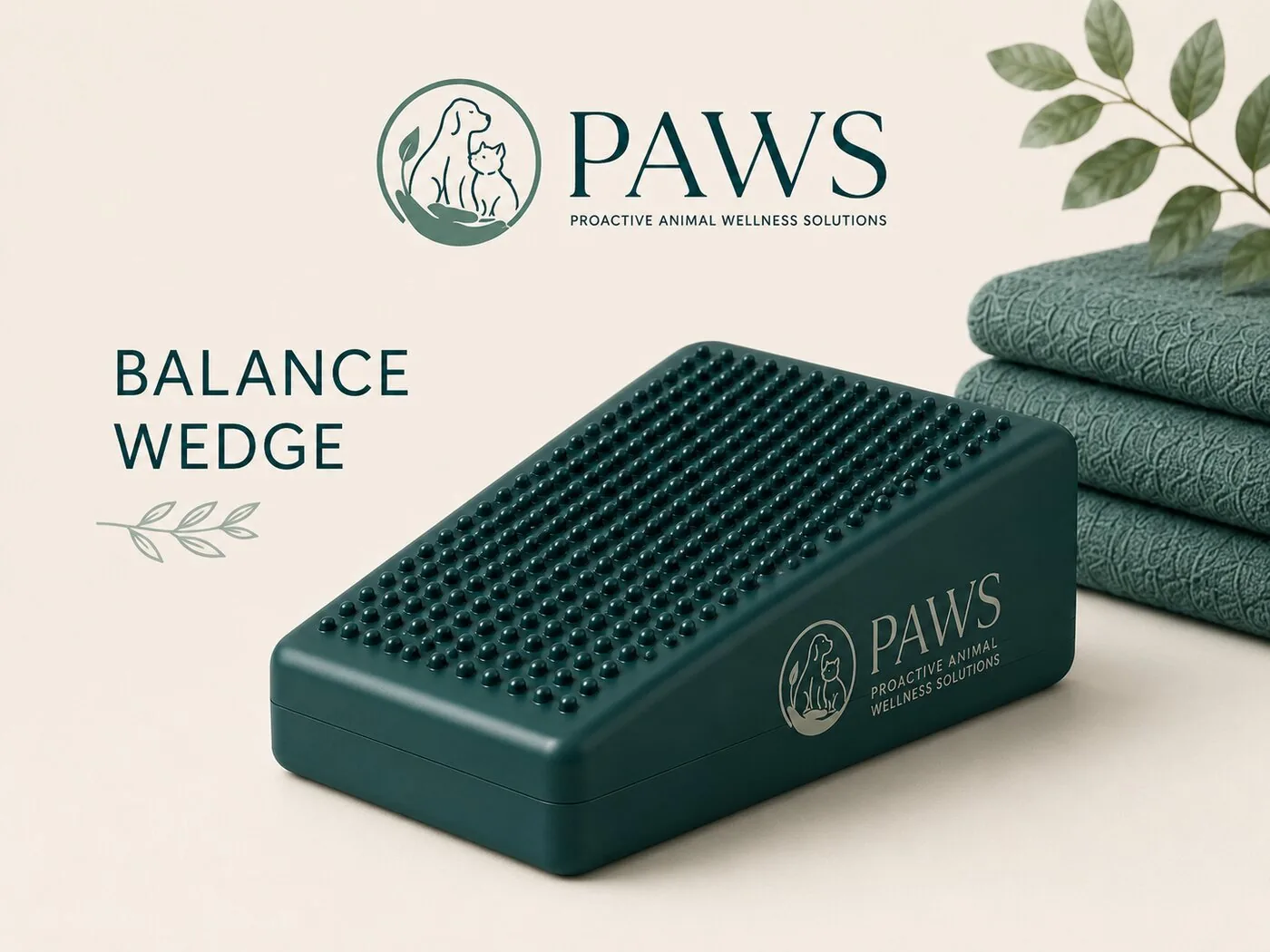
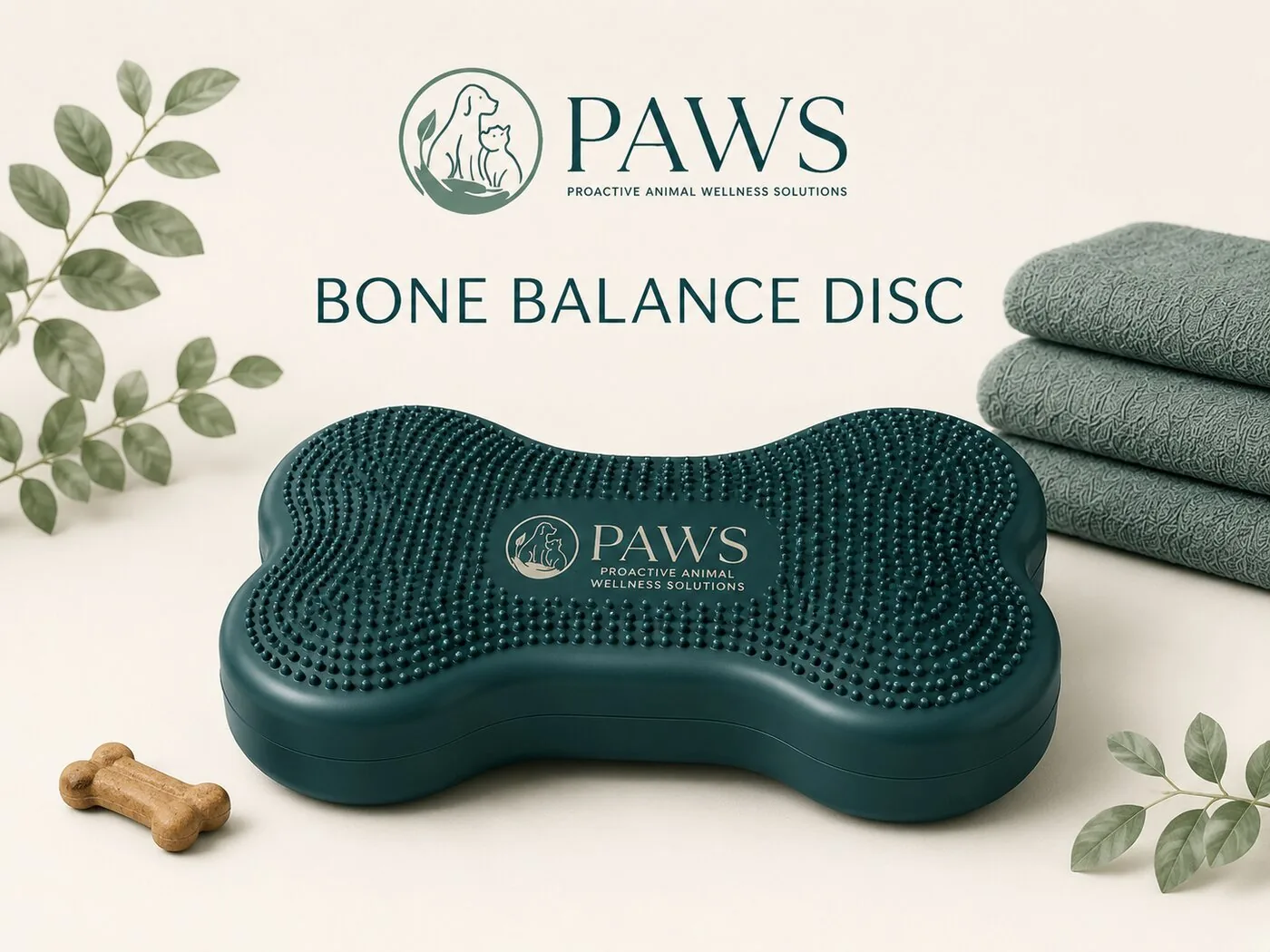
Once the home is safe, keep building the muscle that protects the joint. Short daily sessions of sit-to-stands, front-paws-up holds on a firm balance wedge, and quiet standing on a low bone balance disc help maintain the hind-leg strength a dysplastic hip relies on. Ask your veterinarian before starting any new exercise program, and see our free senior dog exercise guide for a gentle place to begin.
Owners also ask
Do raised bowls really help a dog with hip dysplasia?
They can make mealtimes more comfortable for larger dogs by letting them stand square instead of crouching, which takes some strain off the joints. The effect is modest compared with traction and weight control, so think of bowls as a finishing touch rather than a priority. Ask your vet about the right height for your dog's size and any other health considerations.
Are pet steps or a ramp better for the sofa?
A ramp is usually kinder to dysplastic hips because the dog walks up with steady, even loading instead of hopping from level to level. If space only allows steps, choose deep, stable ones with a grippy surface and teach slow, calm use with treats. Either option beats jumping, and both matter most for the trip down.
Which home change should I make first?
Traction on your dog's main daily routes. Slips on hard floors are the most frequent and most damaging load a dysplastic dog faces at home, and a few runners plus well-placed mats remove most of them for very little money. Pair that with a nail trim and you have covered the two highest-value fixes in a single weekend.
How short should my dog's nails be?
Short enough that they do not touch the floor when your dog stands square. For most dogs that means a trim every two to four weeks. Overgrown nails shift weight backward and reduce grip, which matters double for a dog with weak or painful hips. Your vet or groomer can show you a safe length if you are unsure.
A training tool for dogs, not a toy. Always supervise your dog during use, check and trim nails before sessions, and consult your veterinarian before beginning any new rehabilitation or exercise program.
The equipment behind this guide
5 Foundation Exercises for Senior Dogs
Free printable guide: five gentle, vet-informed exercises that help senior dogs keep muscle, balance, and confidence.