
Puppy Exercise and Hip Dysplasia Risk: What Is Safe, What to Avoid, and When to Start
For puppies at risk of hip dysplasia, free play on grass, short sniffy walks, and swimming are safe. Forced jogging, repetitive fetch, stair sprints, and jumping are not, because growing joints should not do repetitive high-impact work. Keep your puppy lean, let them rest when they choose, and save structured strengthening for after the growth plates close, on your vet's timeline.
Why is puppy exercise different?
A puppy's joints are still under construction. The growth plates, the soft zones near the ends of the long bones, do not finish closing until somewhere between 10 and 18 months depending on breed, and later still in giant breeds. Until then, cartilage and developing bone are more vulnerable to repetitive impact than adult tissue. In breeds already at risk of hip dysplasia, the wrong exercise pattern in puppyhood can raise the odds of trouble later. That is why growing joints should not do repetitive strengthening drills, however tempting it is to start building muscle early. The strengthening phase comes; it just comes later.
What exercise is safe for an at-risk puppy?
Plenty, thankfully. Research on at-risk breeds points the same way most veterinarians do: self-directed movement on forgiving ground appears protective, not harmful.
- Free play on grass or soft ground. A puppy who chooses their own speed, stops when tired, and lands on turf is doing exactly the right kind of work. Off-leash play on soft footing in early puppyhood is associated with healthier hips in at-risk breeds.
- Short sniffy walks. A rough guide many vets suggest is around five minutes per month of age, once or twice daily, at the puppy's pace with plenty of sniffing stops.
- Swimming and shallow wading. Water carries the body weight while the legs move. Keep sessions short, warm, and supervised.
- Gentle body-awareness games. Stepping over a pole on the ground, walking through a ladder laid flat, easy nose work. Movement variety without impact.
What should at-risk puppies avoid?
The pattern to avoid is forced, repetitive, high-impact movement, anything where the puppy cannot choose to stop.
- Forced jogging or running beside a bike. Sustained repetitive loading a puppy would never choose on their own.
- Repetitive fetch and ball launchers. Sprint, skid, twist, repeat thirty times. Adrenaline overrides fatigue, so the puppy will not self-limit.
- Stair sprints. Frequent stair use in young puppies has been linked with higher dysplasia risk in at-risk breeds. Carry small puppies, gate the stairs, and walk them calmly on leash when stairs are unavoidable.
- Jumping from cars, sofas, and agility obstacles. Save jump training for a finished skeleton.
Does puppy weight matter this early?
Enormously. A lean puppy loads its developing hips less on every single step, and keeping growing dogs lean is one of the best supported ways to protect at-risk joints for life. In large breeds, slow and steady growth is the goal, not maximum growth, and a chubby puppy is not a healthy puppy. Follow your vet's guidance on ration, diet choice, and growth rate, and ask for a body condition check at every puppy visit so you learn what lean looks and feels like on your dog.
When can structured strengthening start?
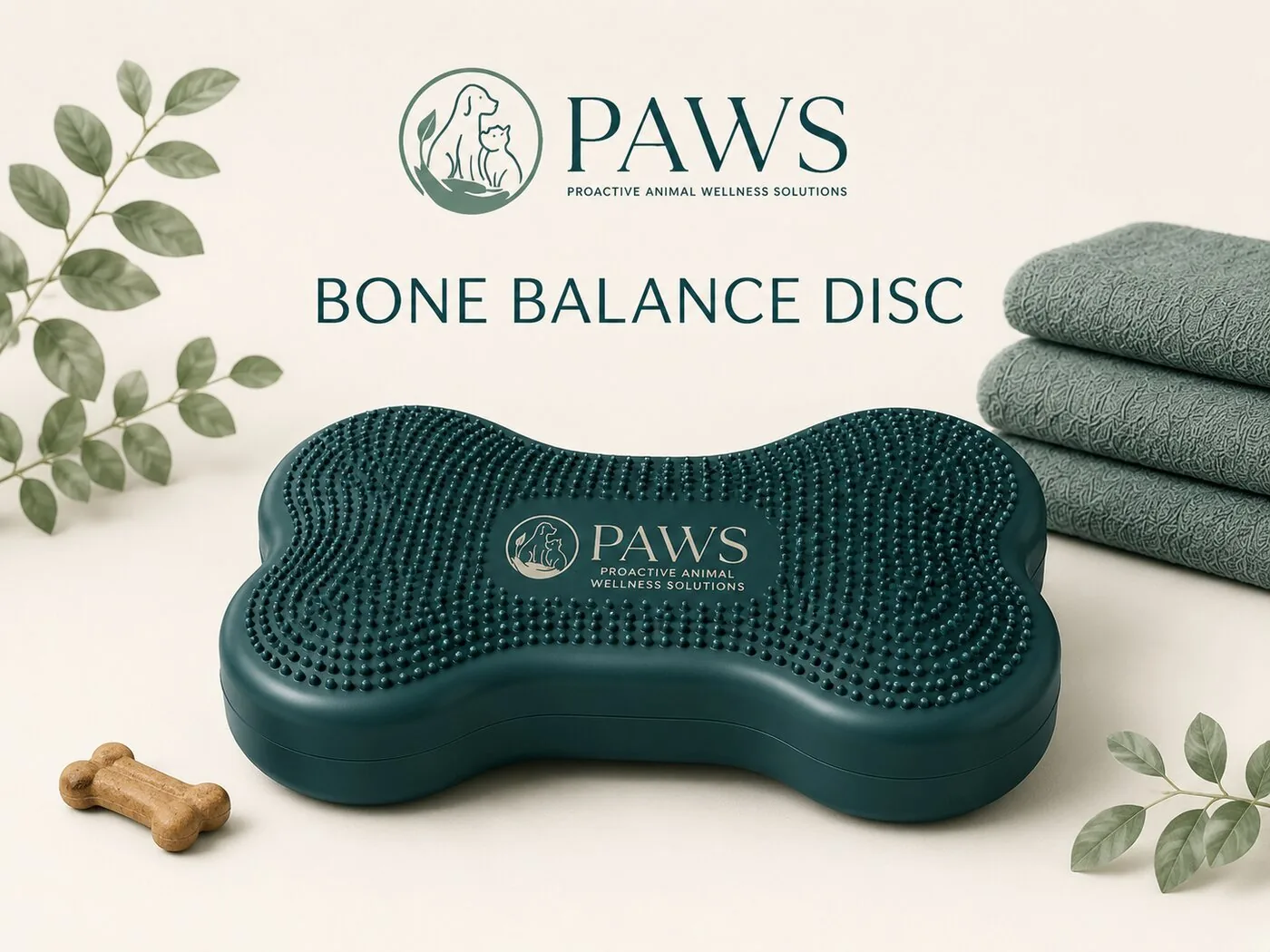
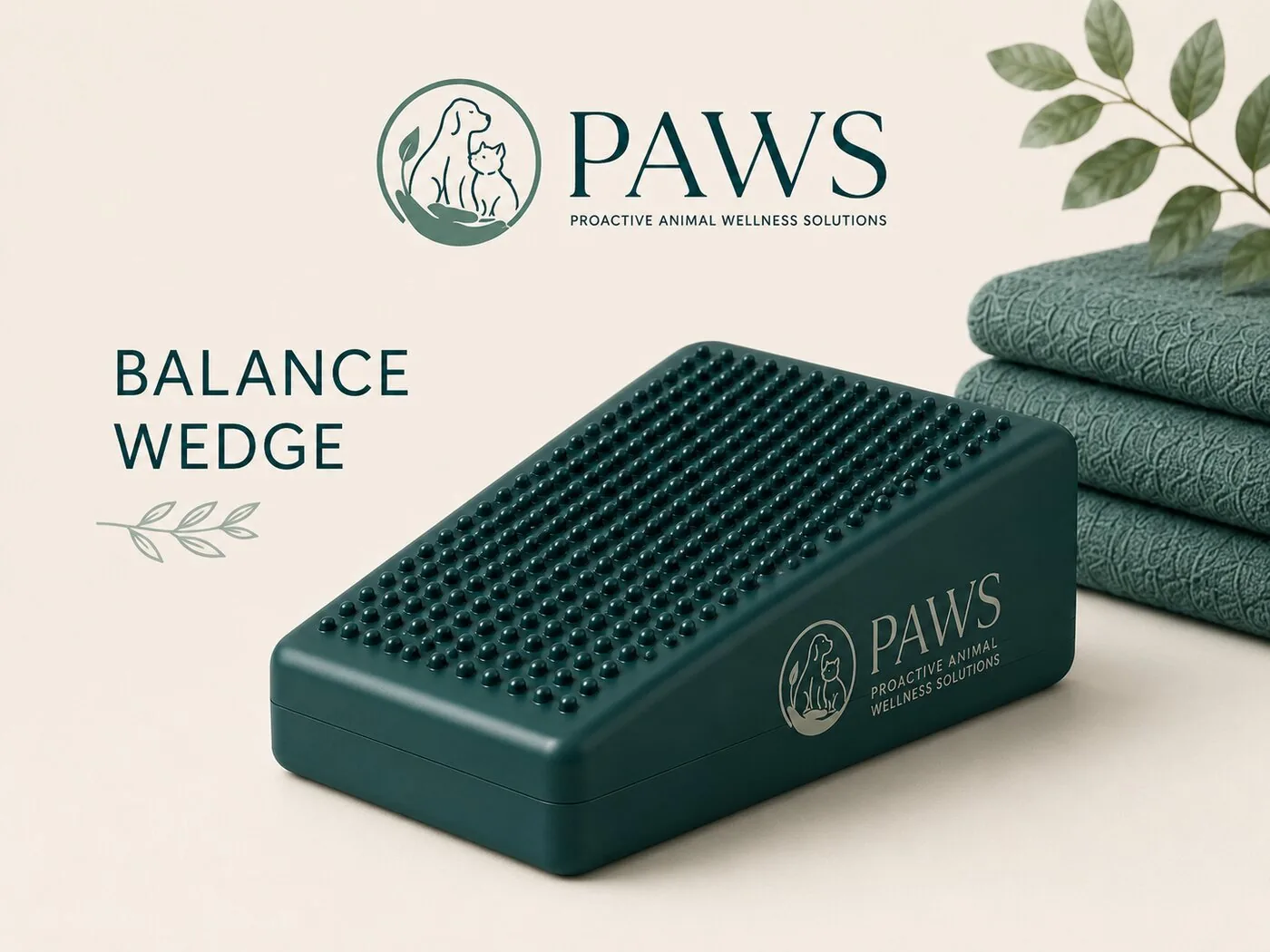
After the growth plates close, which is breed dependent: roughly 10 to 12 months in smaller dogs, and 14 to 18 months or later in large and giant breeds. Your vet can confirm timing for your individual dog, with an x-ray if there is any doubt. From there, the same low-impact program used for adult dysplastic dogs applies: slow sit-to-stands, weight shifts, front-paws-up holds on a firm balance wedge, and quiet standing on a low platform such as a bone balance disc. Our hip dysplasia strengthening guide walks through the full adult program when the time comes.
What about screening and breeders?
If you are still choosing a puppy from an at-risk breed, ask to see hip scores for both parents under a recognised scheme such as OFA, PennHIP, or BVA, depending on your country. Good parental scores do not guarantee good hips, because dysplasia is part genetics and part environment, but they shift the odds meaningfully. If you already have your puppy, mention any bunny-hopping gait, reluctance to move, or trouble rising at routine vet visits rather than waiting. Catching a loose hip early widens the options, and your vet can advise whether early screening makes sense for your breed.
Owners also ask
How much walking is safe for a puppy at risk of hip dysplasia?
A common rule of thumb is about five minutes of leash walking per month of age, once or twice a day, at the puppy's own pace with sniffing breaks. It is a guide, not a law. Watch your puppy: lagging, sitting down, or flopping in the shade means the walk was long enough. Free play on grass can be more generous because the puppy self-limits.
Can my puppy use balance equipment?
Casual, brief standing on a low stable platform for fun is fine, but structured repetitive drills should wait until the growth plates close. Growing joints do not need loaded strengthening work, and repetition is the risk. Ask your vet when your breed is ready, then introduce equipment gradually as part of a proper program.
Is it bad for puppies to climb stairs?
Routine unsupervised stair use in young puppies has been associated with higher hip dysplasia risk in at-risk breeds, so gate stairs off where you can and carry small puppies. When stairs are unavoidable, calm and slow on leash is far safer than racing. Occasional careful stairs are not a catastrophe; daily sprints are the problem.
Does neutering age affect joint problems?
In some larger breeds, research has linked very early neutering with higher rates of certain joint problems, but findings vary by breed and sex. There is no single right answer, so make the timing decision with your veterinarian, weighing your dog's breed, size, and lifestyle. It is worth asking the question rather than assuming one schedule fits every dog.
A training tool for dogs, not a toy. Always supervise your dog during use, check and trim nails before sessions, and consult your veterinarian before beginning any new rehabilitation or exercise program.
The equipment behind this guide
5 Foundation Exercises for Senior Dogs
Free printable guide: five gentle, vet-informed exercises that help senior dogs keep muscle, balance, and confidence.