
Traction and Home Safety for Senior Dogs: Stopping the Slips That Steal Confidence
Slips hurt senior dogs twice: the physical strain itself, and the confidence lost afterward. Cover your dog's daily routes with non-slip runners and mats, keep nails short and pad fur trimmed, add night lighting, and set a clear stairs policy. A furniture ramp beats jumping down. Ask your vet about toe grips if floors and paw care do not solve it.
Why are slips so much worse for old dogs?
Three reasons stack together. First, seniors have weaker stabilising muscles, so a paw that slides is harder to catch before it becomes a fall. Second, arthritic joints handle sudden twisting badly. The same skid a young dog shrugs off can leave an old dog sore for days. Third, and most underestimated, is the fear spiral. A dog that falls on the kitchen floor starts hesitating, then avoiding whole rooms, then moving less overall, and less movement means weaker muscles and a higher chance of the next fall. Breaking that cycle early is one of the kindest things you can do for an aging dog.
Where should runners and mats actually go?
Follow the dog, not the decor. Spend one normal day noticing every route your dog takes and every place they turn, push off, or stand still.
- Main corridors: rubber-backed runners from bed to door, door to bowl, bowl to sofa.
- Pivot points: a yoga mat or carpet tile wherever your dog turns sharply, greets you at the door, or steps off a rug onto bare floor.
- Landing zones: in front of the sofa or bed if your dog still gets up there, and at the bottom of any stairs.
- The feeding station: a mat under and around the bowls, because dogs brace their legs while eating and drinking.
Then check that every rug has non-slip backing or a gripper pad underneath. A rug that slides is a trap, not a fix.
What paw care improves grip?
Two minutes of grooming outperforms a lot of gear. Overgrown nails force the toes to splay and rock weight backward, so keep them short enough that they do not touch the floor on a square stand, which usually means trimming every two to four weeks. The fur that grows between and over the paw pads works like a sock on hardwood, so trim it flush with the pads. For dogs that still slip after floors and paws are sorted, rubber toe grips that slide onto the nails are an option some owners find useful. Ask your veterinarian whether they suit your dog before trying them.
What about night lighting and stairs?
Many senior dogs see poorly in dim light, and a dog that cannot judge the floor hesitates, scrambles, or misjudges steps. Cheap plug-in night lights along the hallway, at the top and bottom of stairs, and near the water bowl remove a surprising amount of nighttime trouble. On stairs, make a policy and keep it: gate them off if they are optional, and add carpet treads plus lighting if they are not. Walk beside your dog calmly rather than letting them rush, and consider a support harness with a handle for dogs that need steadying on unavoidable stairs.
Do furniture ramps help?
Yes, mainly because they remove jumping down, which loads old joints far harder than jumping up. A ramp with a grippy surface at the sofa or bed lets your dog keep their favourite spots without the daily impact. Teach it with treats while your dog is still confident, not after a bad landing. If your dog launches off furniture at speed, use a gate or rearranged cushions to close the runway while the ramp habit builds. The same thinking applies to the car: ramp in, and especially ramp out.
Can strength work reduce slipping?
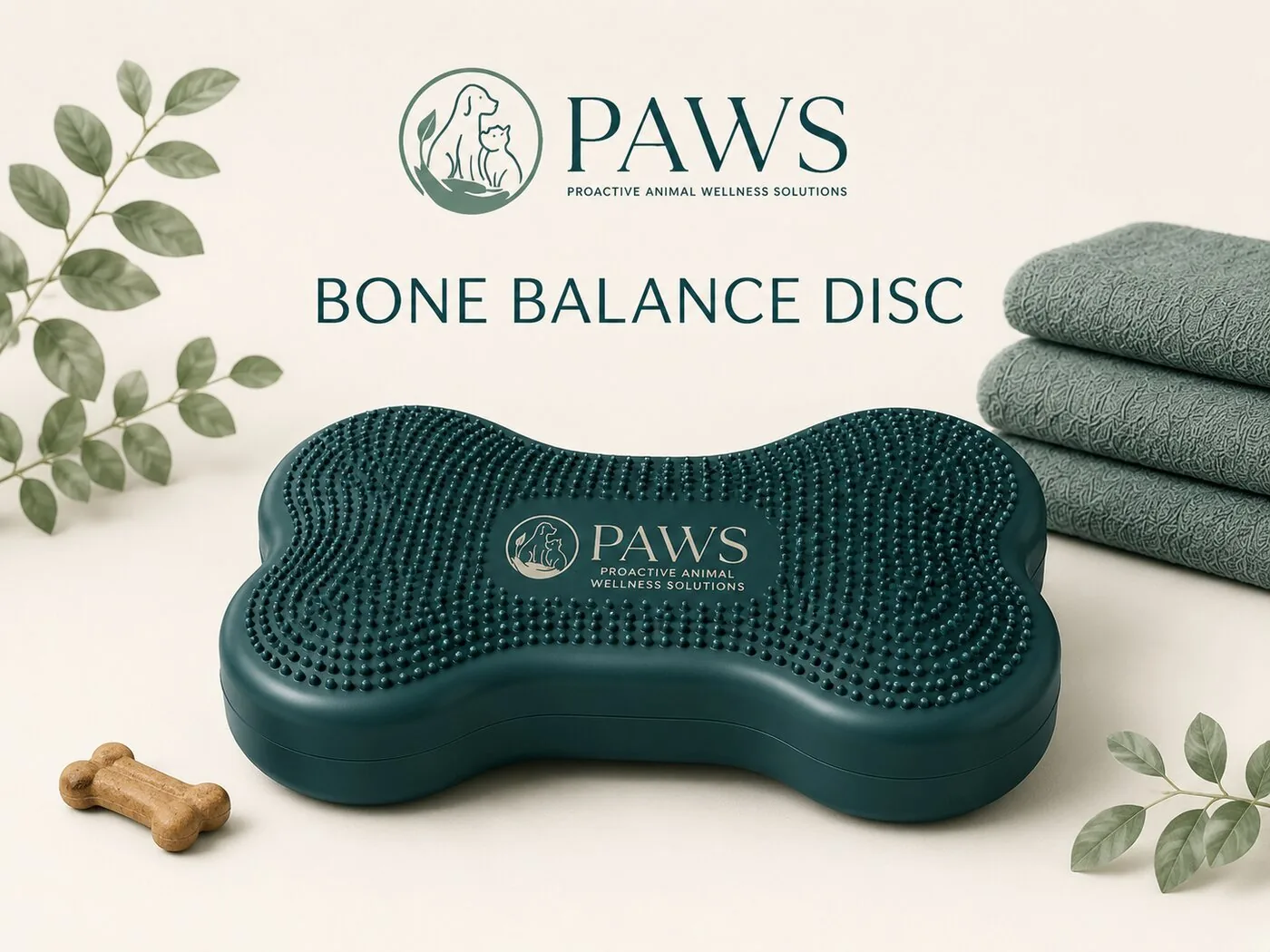
More than most owners expect. The muscles that catch a sliding paw are trainable at any age. Short daily sessions of slow sit-to-stands and quiet standing on a low bone balance disc help maintain exactly the stabilising strength that turns a slip into a wobble instead of a fall. Dogs that need more challenge later can progress to a balance doughnut with a stabilising base. Our free senior dog exercise guide lays out a gentle starting routine, and if your dog is recovering from a back problem, the room-setup advice in our IVDD recovery at home guide pairs well with everything here. Ask your veterinarian before starting new exercise with a senior dog.
Owners also ask
Are toe grips worth trying for my old dog?
They help some dogs noticeably and do little for others, so treat them as a third step after floor traction and paw grooming, which fix the problem for most dogs. Toe grips need correct sizing and regular replacement, and a few dogs dislike wearing them. Ask your veterinarian whether they make sense for your dog before buying.
Should I stop my senior dog using stairs completely?
Not automatically. Calm, assisted stair use keeps useful strength in dogs who manage it comfortably, while rushed or slippery stairs are a fall risk worth gating off. The deciding factors are your dog's stability, the stair surface, and lighting. If your dog hesitates, trembles, or has fallen, gate the stairs and ask your vet before reintroducing them.
My dog is now scared of the kitchen floor. What helps?
Build a mat path across the room and let your dog rediscover it at their own pace, with treats scattered along the route and no pressure. Confidence usually returns once footing feels reliable again. Keep the path permanent rather than temporary, because one more slip can undo the progress. Mention lasting fear to your vet, since pain often hides behind hesitation.
Which rooms should I cover first if budget is limited?
Start where your dog walks most and turns hardest: the route from their bed to the door, and the feeding area. Those two zones cover the majority of daily steps for most dogs. Add the hallway runner next, then landing spots near furniture. A day of watching your dog's actual traffic beats guessing from the floor plan.
A training tool for dogs, not a toy. Always supervise your dog during use, check and trim nails before sessions, and consult your veterinarian before beginning any new rehabilitation or exercise program.
The equipment behind this guide

5 Foundation Exercises for Senior Dogs
Free printable guide: five gentle, vet-informed exercises that help senior dogs keep muscle, balance, and confidence.