
Core Strength Exercises for Dogs: The Owner's Guide
A dog's core is the muscular corset that supports the spine and transfers power between the front and back ends. The most effective home exercises are front-paws-up holds, standing weight shifts, slow high-quality sit-to-stands, low platform standing, and handler-guided peanut work for larger dogs, done in short sessions a few times each week.
Why does core strength matter for dogs?
Everything a dog does routes force through the trunk: acceleration, braking, jumping, even standing up. A strong core stabilises the spine while the limbs work, which is why core weakness shows up as everything from a sagging topline to clumsy landings to back soreness after play. Rehabilitation professionals train the core in almost every program they write, whether the patient is a sport dog or a senior, because the trunk is where injuries are either absorbed or transmitted.
The five core exercises worth doing
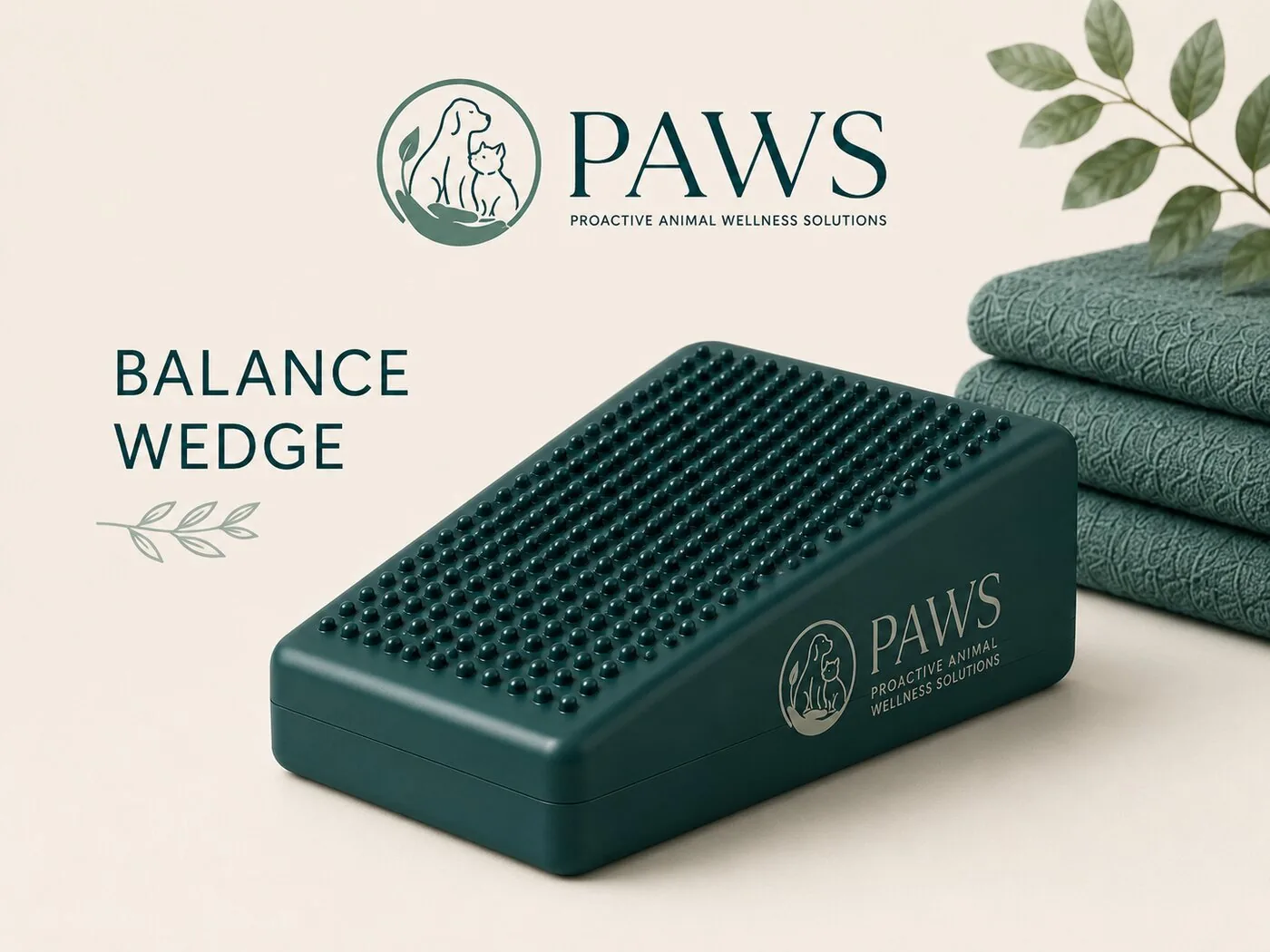
- 1. Front-paws-up holds. Front paws on a low step or firm wedge, standing quietly for 5 to 10 seconds, 3 to 5 repetitions. The elevated stance makes the trunk and rear work together.
- 2. Standing weight shifts. Dog standing square, gently rock the hips or shoulders so weight moves side to side, 5 to 8 shifts each way. Small movements, big core demand.
- 3. Quality sit-to-stands. Slow, square, no plop and no spring, 3 to 10 repetitions. Speed is the enemy; a slow stand is a rear-and-core exercise, a fast one is momentum.
- 4. Platform standing. Quiet standing on a low, slightly cushioned platform such as the bone balance disc, building from seconds to a couple of minutes. The gentle give keeps the trunk switched on the entire time.
- 5. Peanut work for bigger dogs. Handler-guided standing or draped work over a properly sized balance peanut, which supports large-breed bodies while demanding full-trunk engagement. Start with hands on at all times.
How often, and how long?
Core muscle responds to short, frequent, high-quality work: five minutes, three or four days a week, beats one long weekend session by a wide margin. Two or three exercises per session is plenty. Quality is the currency; the set ends when form gets sloppy, not when a number is reached.
What are the common mistakes?
Speed, slippery floors, and marathon sessions. Fast repetitions let momentum do the core's job. Hard smooth flooring under equipment invites slips, so always work on a mat or carpet. And long sessions quietly train bad form, because core stamina runs out before enthusiasm does. Ten focused repetitions on a good surface out-train fifty ragged ones every time.
How do I know it is working?
Look for a straighter topline at a stand, tidier sits that do not slump onto one hip, more controlled landings, and less evening stiffness after big days. Handlers usually see visible change in four to eight weeks of consistent short sessions. For a structured path from these basics into balance and coordination work, see our equipment guide or take the 60-second finder.
Is core work safe for recovering or older dogs?
The exercises above are the gentle end of conditioning, which is exactly why rehab programs use them, but timing matters after injury or surgery. If your dog is recovering or manages a diagnosed condition, ask your veterinarian or rehab professional which of these fit the current stage; our post-surgery guide explains how strengthening typically slots into weeks 5 to 8.
Owners also ask
Can core exercises help a dog with a bad back?
Core strength supports the spine, and gentle trunk work appears in many professionally guided back-care programs. But for a dog with a diagnosed condition like IVDD, the order and timing of exercises matter enormously, so build the plan with your veterinarian rather than starting from a list.
My dog is overweight. Should we do core work or walking first?
Both, gently. Slow sniffy walks burn energy safely while weight comes down, and short platform and weight-shift sessions maintain muscle during the diet. Weight loss itself is the biggest single win; ask your vet for a target and pace.
Are sit-ups or begging poses good core exercises for dogs?
Trained sit-pretty poses can build core strength for dogs that already have decent trunk control, but they are an advanced move with real fall risk for weak or long-backed dogs. The five basics above deliver the same benefit with far less downside.
What age can a dog start core exercises?
Adult dogs of any age can start at the gentle end. For puppies, keep to brief playful platform standing only; repetitive strengthening drills belong after the growth plates close, which varies by breed. Ask your vet when your youngster qualifies.
A training tool for dogs, not a toy. Always supervise your dog during use, check and trim nails before sessions, and consult your veterinarian before beginning any new rehabilitation or exercise program.
The equipment behind this guide


5 Foundation Exercises for Senior Dogs
Free printable guide: five gentle, vet-informed exercises that help senior dogs keep muscle, balance, and confidence.