Conservative Management for Dog CCL Tears: A Realistic Guide
Many dogs can recover from a CCL tear without surgery. Conservative management combines at least eight weeks of activity restriction, weight control, pain management, and structured rehab exercises. It works best for partial tears, dogs under 30 pounds, and dogs where surgery carries high risk. Roughly 85 percent of small dogs do well, though recovery usually takes several months to a year.
Can a CCL tear improve without surgery?
For many dogs, yes. When your veterinarian diagnoses a cranial cruciate ligament tear, surgery is often the first recommendation, and for large, active dogs it usually is the right call. But conservative management, meaning structured recovery without an operation, has a real track record. In dogs under 30 pounds, conservative management succeeds in roughly 85 percent of cases. One study of conservatively managed dogs found that about two thirds reached a successful outcome by 52 weeks.
The torn ligament itself does not grow back together. Instead, the body builds stabilizing scar tissue around the joint while the muscles of the leg take over more of the work. That process is slow and it only works if you control the conditions. This is not a wait-and-see approach. Done properly, it is an active recovery plan, and your veterinarian should be involved at every decision point.
What does conservative management actually involve?
Four things, all running at the same time.
- Strict activity restriction for at least 8 weeks. Leash walks for bathroom breaks only at first, no running, no jumping, no stairs, no play with other dogs. A crate or small gated room when unsupervised.
- Weight control. Every extra pound loads the injured knee and the healthy one. If your dog is overweight, ask your veterinarian for a target weight and a feeding plan. This single factor moves outcomes more than almost anything else.
- Pain management. Your veterinarian will usually prescribe anti-inflammatory medication and may suggest joint supplements. A comfortable dog uses the leg more normally, which protects muscle.
- Structured rehab. Once the joint settles, controlled exercises rebuild the muscle that stabilizes the knee. This is where most home plans succeed or fall apart.
Which dogs are the best candidates?
Conservative management is not a coin flip. The odds depend heavily on the dog in front of you. The best candidates share a few traits.
- Partial tears rather than complete ruptures. A partially intact ligament gives the joint a head start on stability.
- Small dogs, especially under 30 pounds. Less body weight means less force through the joint with every step.
- Dogs where surgery is high risk, such as seniors with heart conditions or dogs with other health problems that make anesthesia a serious concern.
- Calm temperaments and committed owners. A dog that will tolerate weeks of restriction, and a household that will enforce it, matter more than most people expect.
A young, 80 pound, high-drive dog with a complete tear is a poor candidate. Be realistic with yourself here, because choosing conservative management for the wrong dog usually means months of limping followed by surgery anyway.
What does a realistic timeline look like?
Plan in months, not weeks. The first 8 weeks are about rest, weight loss, and pain control, with only short, slow leash walks. From roughly weeks 8 to 16, walks lengthen gradually and gentle strengthening begins. Many dogs look noticeably better by 3 to 4 months, but remember the study finding: successful outcomes were measured at 52 weeks. Improvement often continues for a full year. Expect setbacks. A too-enthusiastic squirrel chase can cost you two weeks of progress, which is frustrating but normal.
Which exercises help later in recovery?
Once your veterinarian confirms the knee is stable enough, controlled strengthening becomes the main event. Three exercises carry most of the load.
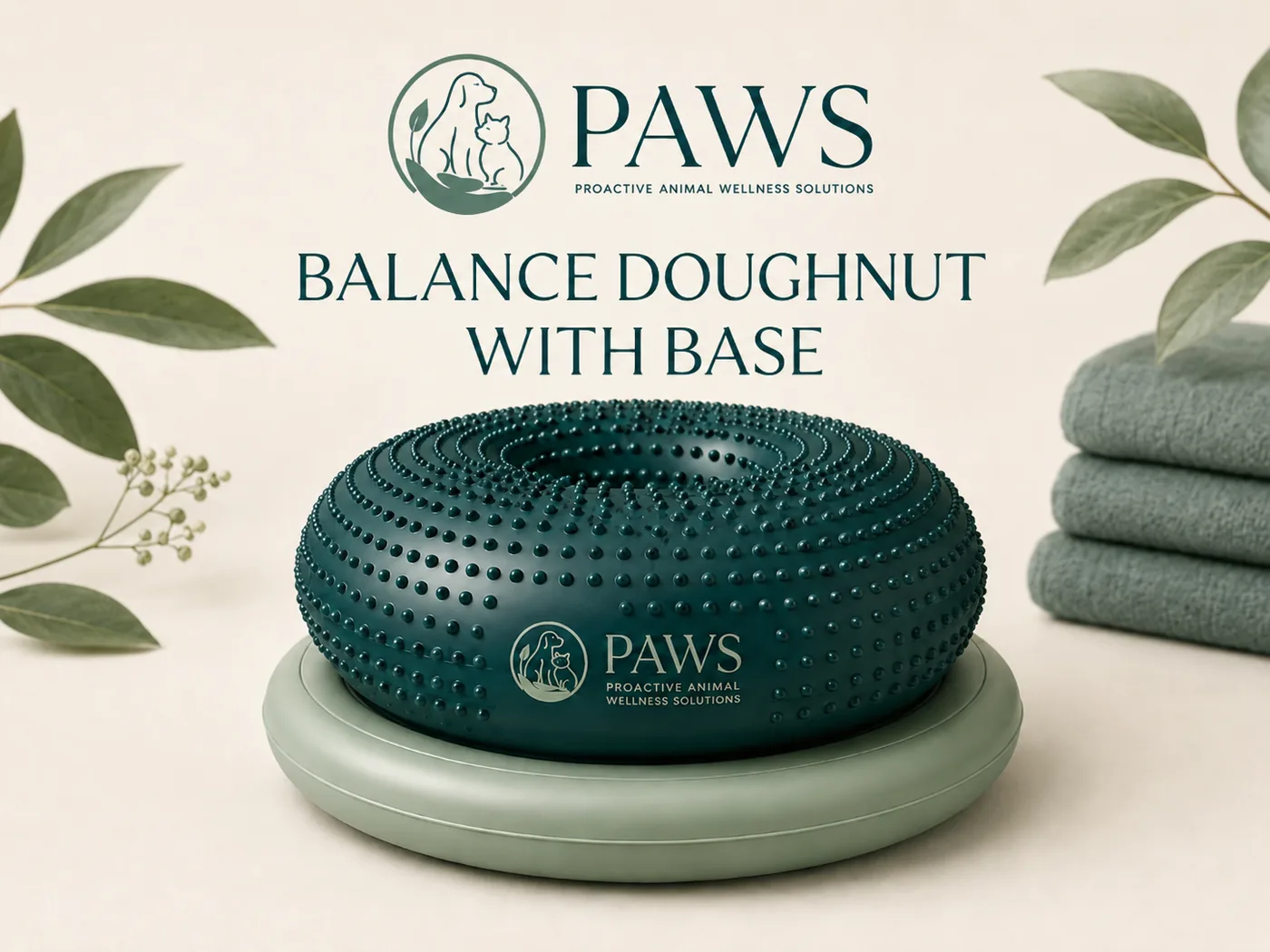
- Standing weight shifts. With your dog standing square, gently sway them side to side so the injured leg accepts weight in short pulses. Placing the front paws on a balance doughnut with base shifts more weight to the hind end while keeping movement gentle and controlled.
- Sit-to-stands. Slow, square sits followed by slow stands work the thigh muscles the way a squat works yours. Start with 3 to 5 repetitions.
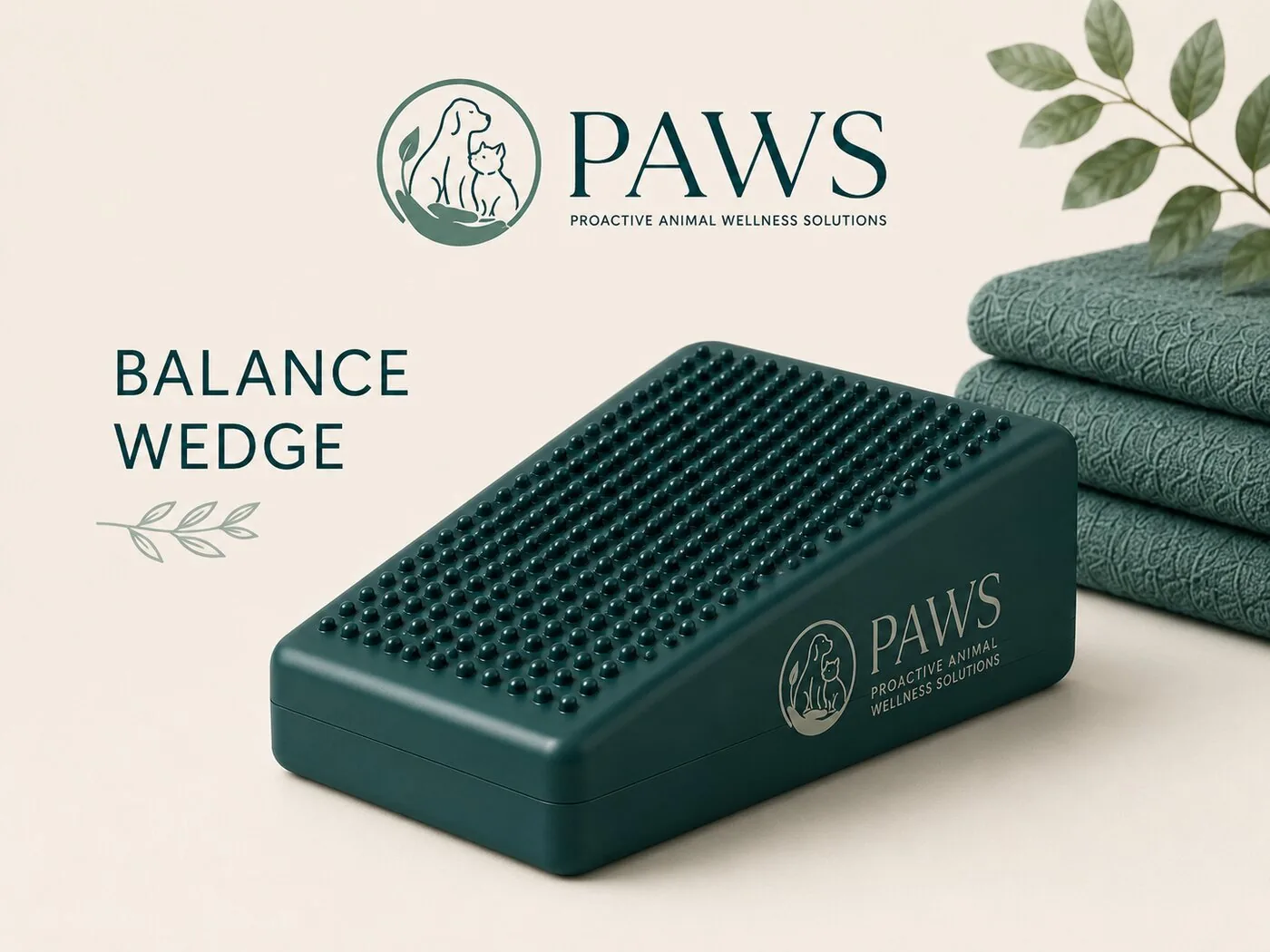
- Wedge work. Standing with the front paws elevated on a balance wedge loads the hind legs in a firm, predictable way, which is exactly what a recovering knee needs before it faces hills or stairs.
The progression logic is the same one used after surgery, so the stages in our week by week TPLO recovery exercise guide are a useful map even for dogs that skipped the operating room. Keep sessions short, five to ten minutes, and stop if you see increased limping afterward.
When should you reconsider surgery?
Conservative management deserves a fair trial, but it also deserves an honest checkpoint. Talk to your veterinarian about surgery if you see any of the following.
- No meaningful improvement in lameness after 6 to 8 weeks of properly enforced restriction.
- The leg gets worse, or your dog stops using it entirely.
- A clicking sensation appears in the knee, which can signal meniscus damage that usually needs surgical attention.
- Pain that medication no longer controls.
Choosing surgery after trying conservative management is not a failure, it is good decision making with better information. If you do head that direction, our post-surgery checklist will help you prepare the house before your dog comes home. Either path ends the same way: a stable knee, rebuilt muscle, and a dog back on four legs.
Owners also ask
Can a dog's CCL tear improve without surgery?
Often, yes, especially in smaller dogs. Conservative management succeeds in roughly 85 percent of dogs under 30 pounds, and one study found about two thirds of conservatively managed dogs reached successful outcomes by 52 weeks. The ligament does not reattach, but scar tissue and stronger muscle can stabilize the joint. Ask your veterinarian whether your dog is a good candidate.
How long does conservative management take for a CCL tear?
Plan on months. The first 8 weeks are strict rest with weight control and pain management, followed by gradual strengthening from weeks 8 to 16. Many dogs improve noticeably by 3 to 4 months, but research measured successful outcomes at 52 weeks, so continued gains through a full year are normal.
Which dogs are good candidates for skipping CCL surgery?
The best candidates are dogs with partial tears rather than complete ruptures, dogs under 30 pounds, and dogs where anesthesia or surgery carries high risk because of age or other health conditions. Large, young, high-energy dogs with complete tears usually do better with surgery. Your veterinarian can assess which group your dog falls into.
When should I give up on conservative management?
Reconsider surgery if there is no real improvement after 6 to 8 weeks of properly enforced restriction, if lameness worsens, if your dog stops using the leg, or if a clicking sound develops in the knee, which can indicate meniscus damage. Trying conservative management first does not harm your surgical options later.
A training tool for dogs, not a toy. Always supervise your dog during use, check and trim nails before sessions, and consult your veterinarian before beginning any new rehabilitation or exercise program.
The equipment behind this guide
Dog Post-Surgery Recovery Checklist
Free printable checklist: how to prepare your home, week-by-week recovery reminders, and the warning signs that mean call your vet.