
Protecting Your Dog's Other Knee After a CCL Tear
About half of dogs that tear one CCL eventually injure the other, because the second knee absorbs extra load during recovery and shares the same ligament biology. You can lower the risk with strict weight control, controlled strengthening of both hind legs, and by avoiding explosive activities like sprinting fetch. Watch the second knee for subtle stiffness or on-and-off limping, and call your veterinarian early.
Why is the other knee at risk after a CCL tear?
Here is the statistic no one mentions at the first appointment: roughly half of dogs that tear one cranial cruciate ligament go on to injure the other. If your dog just hurt one knee, the second knee deserves your attention starting today, not after it fails.
Two forces drive this. First, compensation load. From the moment the first knee is injured, your dog shifts weight onto the sound hind leg. Through weeks of recovery, that leg carries far more than its share on every stand, turn, and step. Second, the ligament biology is the same on both sides. In most dogs, CCL tears are not a freak accident but the end stage of gradual ligament degeneration. Whatever conformation, genetics, and wear weakened the first ligament is quietly at work in the second. You cannot change your dog's biology, but you can change almost everything else on this list.
How much does weight control matter?
More than any product, exercise, or supplement. Every extra pound is carried by the joints on every single step, and during recovery the sound leg takes most of that load alone. Overweight dogs tear cruciate ligaments at much higher rates, and lean dogs recover better from every orthopedic problem.
Ask your veterinarian for a body condition score and a target weight. Then act on it: measure meals instead of eyeballing them, count treats as part of the daily ration, and use part of the regular kibble for training rewards. If you make only one change after reading this article, make it this one.
How do you strengthen both hind legs safely?
Strong thigh and hip muscles act like living shock absorbers for the knee. The goal is controlled, symmetric strengthening, never explosive effort. Once your veterinarian clears your dog for rehab work, build a short routine around these movements.
- Slow, deliberate leash walks, working up to hills. Slow is the key word, because a slow walk forces every leg to take a full, honest step.
- Sit-to-stands with a square, symmetric sit, so both hind legs push evenly. Three to eight slow repetitions per session.
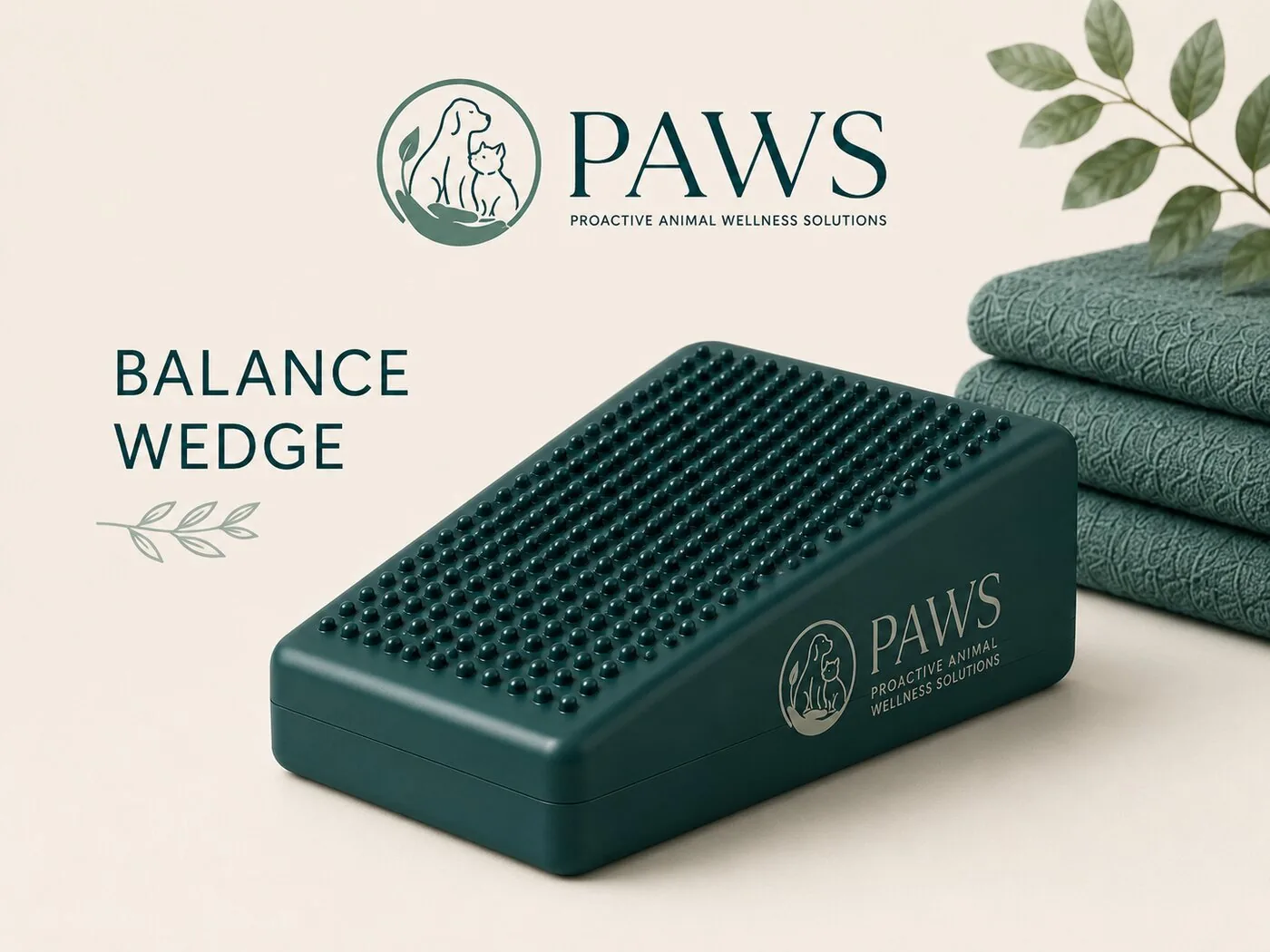
- Front paws elevated work. Standing with the front feet on a balance wedge shifts weight onto both hind legs at once, loading them evenly without any impact.
- Hind feet balance work. For medium and large dogs, standing the hind feet on a balance peanut with you supporting it asks the stabilizing muscles around both stifles to fire continuously.
- Advanced rocker work. Later, a few minutes on a balance board challenges the whole hind end. Save this for well-conditioned dogs, and ask your veterinarian or rehab therapist before adding it.
If the first knee was repaired surgically, this strengthening phase overlaps with formal recovery, and our TPLO recovery exercises week by week shows how to sequence it. Many of the same movements appear in our hip dysplasia strengthening guide, because a strong hind end protects every joint in it.
Which activities put the second knee in danger?
Most cruciate tears do not happen during steady movement. They happen during explosive, twisting moments: the sprint after a ball, the leap off the deck, the hard cut chasing a squirrel. For a dog with one knee already compromised, these are the highest-risk seconds of the day.
- Replace sprinting fetch with scent games, food puzzles, and structured walks.
- Block access to stairs and furniture during the recovery months, or manage them with ramps and gates.
- Warm up before any activity with five minutes of walking, especially in cold weather.
- Keep play with other dogs calm and supervised. Wrestling and chase games are exactly the wrong forces at the wrong time.
This does not mean a boring life forever. It means trading a few high-risk habits for lower-risk ones, permanently.
What are the early warning signs in the second knee?
Second tears rarely announce themselves with a dramatic yelp. They usually whisper first. Call your veterinarian if you notice any of these in the previously healthy leg.
- Stiffness after rest that loosens with movement, especially in the mornings.
- Intermittent limping that comes and goes after exercise.
- Sitting with the leg splayed out to the side instead of tucked square.
- Reluctance to jump, climb stairs, or hold a sit.
- New muscle loss or thickening you can feel around the knee.
Catching a partial tear early gives you more options, including conservative management, and protects the meniscus from further damage.
What should your long-term plan look like?
Think of the second knee as a joint you are protecting for the rest of your dog's life. Keep the weight lean, keep a short strengthening routine going two or three times a week even after recovery ends, and keep the explosive activities retired. If the first knee had surgery, keep following your rechecks, and use our post-surgery checklist to make sure the home setup still supports both legs. None of this guarantees the second ligament holds, but it stacks every controllable factor in your dog's favor, and that is the whole game.
Owners also ask
What percentage of dogs tear their second CCL?
Roughly half of dogs that tear one cranial cruciate ligament later injure the other. The risk comes from two directions: the sound leg carries extra load during recovery, and the same gradual ligament degeneration that weakened the first knee is usually present in the second. Weight control and controlled strengthening are the main factors owners can influence.
How can I prevent my dog from tearing the other CCL?
You cannot eliminate the risk, but you can lower it. Keep your dog lean with your veterinarian's guidance, build strength in both hind legs through slow walks, sit-to-stands, and controlled balance work, and permanently retire explosive activities like sprinting fetch and jumping off furniture. Catching early signs of trouble also protects your options.
What are the first signs of a CCL problem in the other leg?
Watch for stiffness after rest, on-and-off limping following exercise, a sit where the leg splays out to the side, reluctance to jump or use stairs, and any new muscle loss around the thigh. These subtle signs often appear before an obvious lameness. Call your veterinarian promptly, because partial tears caught early leave you more choices.
Is fetch bad for a dog that tore a CCL?
High-speed fetch with sprinting, skidding stops, and twisting turns is one of the riskiest activities for a dog with cruciate disease, because most tears happen during explosive, twisting movements. Swap it for scent games, food puzzles, and structured walks. Gentle rolling of a ball at walking pace is a safer compromise for many dogs.
A training tool for dogs, not a toy. Always supervise your dog during use, check and trim nails before sessions, and consult your veterinarian before beginning any new rehabilitation or exercise program.
The equipment behind this guide


Dog Post-Surgery Recovery Checklist
Free printable checklist: how to prepare your home, week-by-week recovery reminders, and the warning signs that mean call your vet.