Rebuilding Muscle After Cruciate Surgery: A Stage-by-Stage Guide
Thigh muscle visibly shrinks within weeks of disuse after cruciate surgery, and full muscle mass can take up to six months to return after TPLO. Rebuilding it takes staged, progressive exercise: controlled walking first, then sit-to-stands and incline work, then balance training. Track progress with regular thigh girth measurements, and ask your veterinarian or rehab therapist before advancing each stage.
Why does muscle disappear so quickly after surgery?
If you run your hand down your dog's thighs a few weeks after cruciate surgery, the difference can be startling. The operated leg feels smaller, softer, almost deflated. This is normal, and it has a simple cause: muscle shrinks fast when it is not used. Visible thigh muscle loss happens within weeks of disuse, and your dog stopped loading that leg properly well before surgery, then rested it heavily afterward.
The frustrating part is the asymmetry of the process. Muscle is lost in weeks but rebuilt over months. After a TPLO, full muscle mass can take up to six months to return. Knowing that number upfront matters, because the bone typically heals by 8 to 12 weeks, and many owners assume the job is done then. The bone may be ready, but the engine that protects the joint, the muscle, is still under construction.
How do you measure your dog's progress?
You cannot manage what you do not measure, and thigh muscle is easy to measure at home with a soft fabric tape.
- Measure around the widest part of each thigh, at the same spot every time. Marking the distance down from the hip point helps you stay consistent.
- Measure both legs, because the healthy leg is your built-in reference.
- Record the numbers every two weeks. Steady gains of even a few millimeters mean the plan is working.
- Take a photo from behind while your dog stands square. Side-by-side photos over months show progress the daily eye misses.
If the gap between legs stops closing for a month, or the operated leg shrinks again, tell your veterinarian. A stall usually means pain, too little challenge, or too much rest, and each has a different fix.
What do exercises look like at each stage?
Rebuilding follows the same logic as human physiotherapy: load the muscle a little more than yesterday, never more than the joint can handle today. Always get your veterinarian's clearance before starting and before advancing.
- Early stage (roughly weeks 2 to 6): short, slow leash walks and standing weight shifts. Slow is the entire point. A slow walk forces the operated leg to take full steps instead of skipping through.
- Middle stage (roughly weeks 6 to 12): longer walks, gentle hills, sit-to-stands with a square sit, and controlled step-overs at ankle height. This is where the thigh girth tape starts moving.
- Late stage (3 to 6 months): hill work, longer sit-to-stand sets, balance training, and a gradual return to normal activity. Explosive running and jumping come last, and only with veterinary approval.
For a detailed week by week plan, see our TPLO recovery exercises guide, and if you are still in the early window, our overview of the first 8 weeks after dog surgery covers the groundwork that makes this stage possible.
Where does balance equipment fit in?
Walking rebuilds endurance, but unstable-surface work recruits the deep stabilizing muscles around the stifle and hip that ordinary walking barely touches. Used progressively, balance equipment helps rebuild strength and confidence in the operated leg.
- Start with the front paws elevated. Standing the front feet on a balance doughnut with base shifts weight to the hind end while the base keeps the wobble gentle, which suits early and middle stage work.
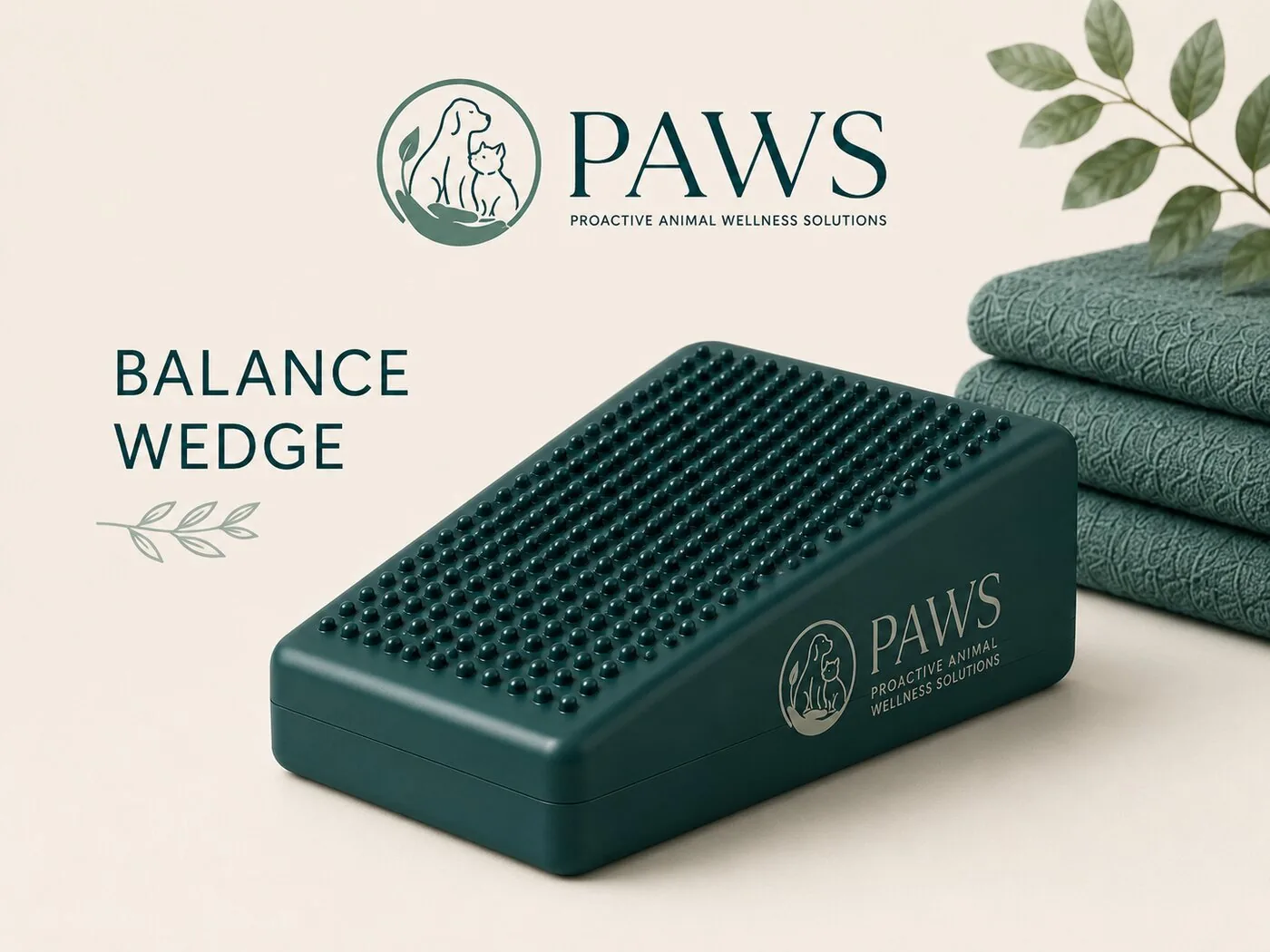
- Add targeted loading. A firm balance wedge under the front paws increases hind limb load in a predictable way, and standing the hind paws on it works the thighs harder still.
- Finish with dynamic challenge. In the late stage, short sessions on a balance board ask the whole hind end to stabilize a moving surface. Keep sessions to a few minutes and ask your rehab professional before starting rocker work.
Two or three short sessions per week, layered on top of daily walks, is plenty. More is not better; consistency is better.
Does nutrition affect muscle recovery?
Muscle is built from protein, so adequate high-quality protein intake supports the rebuilding process, and some veterinarians adjust diet during recovery. At the same time, the recovery months are prime weight-gain territory because activity is low. Extra body fat loads the healing knee and the other one. Ask your veterinarian to set a body condition target and to advise on protein and any supplements before you change anything. Skip the bodybuilding-style additives sold online; none of them replace measured meals and progressive exercise.
How long until the muscle comes back?
Set your expectations at four to six months of steady work, with the tape measure as your referee. Most dogs walk well long before their muscle is truly back, and that gap is where reinjuries happen, because the dog feels ready before the leg is. Keep the routine going even when your dog looks recovered, keep the rechecks with your veterinarian, and keep your home set up for success using our post-surgery checklist. Muscle is slow to build and quick to lose, but it is also the one part of the knee's support system you can directly grow, one session at a time.
Owners also ask
How long does it take for a dog's leg muscle to return after TPLO?
Full muscle mass can take up to six months to return after TPLO surgery, even though the bone typically heals within 8 to 12 weeks. Muscle is lost within weeks of disuse but rebuilt slowly over months of progressive exercise. Keep strengthening work going well past the point where your dog looks recovered, and confirm each stage with your veterinarian.
How do I measure muscle loss in my dog's leg?
Use a soft fabric measuring tape around the widest part of each thigh, at the same distance from the hip point every time. Compare the operated leg against the healthy one and record both numbers every two weeks. Steady gains mean progress. If the gap stops closing for a month, tell your veterinarian, because a stall usually has a fixable cause.
What exercises rebuild muscle after dog knee surgery?
Progress in stages with veterinary clearance: slow leash walks and standing weight shifts early, then sit-to-stands, gentle hills, and step-overs in the middle weeks, then balance work on equipment like a disc with base or wedge, and finally rocker board sessions for well-conditioned dogs. Short sessions two or three times weekly, layered on daily walks, work best.
Should I change my dog's diet after cruciate surgery?
Ask your veterinarian before changing anything. Adequate high-quality protein supports muscle rebuilding, but the bigger risk during recovery is weight gain from reduced activity, and extra body fat loads both knees. A body condition target and measured meals matter more than supplements. Skip unregulated muscle-building additives, since progressive exercise is what actually drives the rebuilding.
A training tool for dogs, not a toy. Always supervise your dog during use, check and trim nails before sessions, and consult your veterinarian before beginning any new rehabilitation or exercise program.
The equipment behind this guide


Dog Post-Surgery Recovery Checklist
Free printable checklist: how to prepare your home, week-by-week recovery reminders, and the warning signs that mean call your vet.